





"Pharmaplast began to work with CE.way almost one year ago. CE.way is our cosmetics consultant who look after compilation of PIF, safety assessments and CPNP notifications. Working with CE.way has been a joy so far. Their replies are very swift and Mr Tadej is very cooperative, helpful and with a deep knowledge about the cosmetics regulations."
Preservative efficacy testing
Cosmetics challenge test
The Challenge Test, also known as the Preservative Efficacy Test (PET), evaluates whether the preservative system of a cosmetic product is capable of protecting it against microbial contamination throughout its intended shelf life and normal consumer use. The study provides evidence that the product remains microbiologically safe after repeated exposure during manufacturing, storage and use.
Challenge test is an important part of the Product information file, and reference to it must be made in the cosmetic product safety report (CPSR). According to ISO 29621, every cosmetic manufacturer has to ensure that the product, as purchased, is free from the numbers and types of microorganisms that could affect product quality and consumer health, as well as to ensure that microorganisms introduced during normal product use will not adversely affect the quality or safety of the product. The latter can be ensured by performing the cosmetics challenge test.
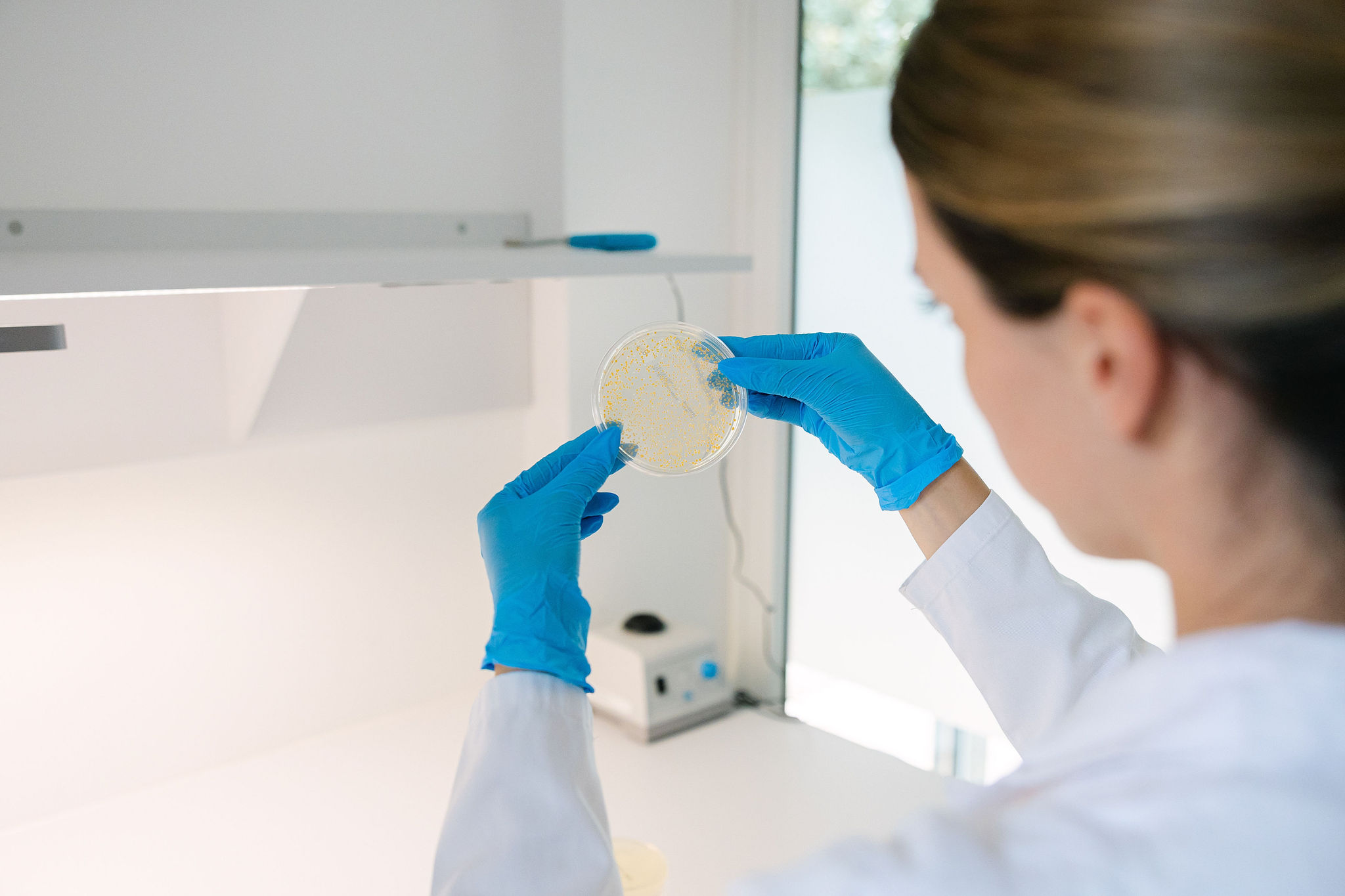
Testing procedure
How is the cosmetics challenge test performed?
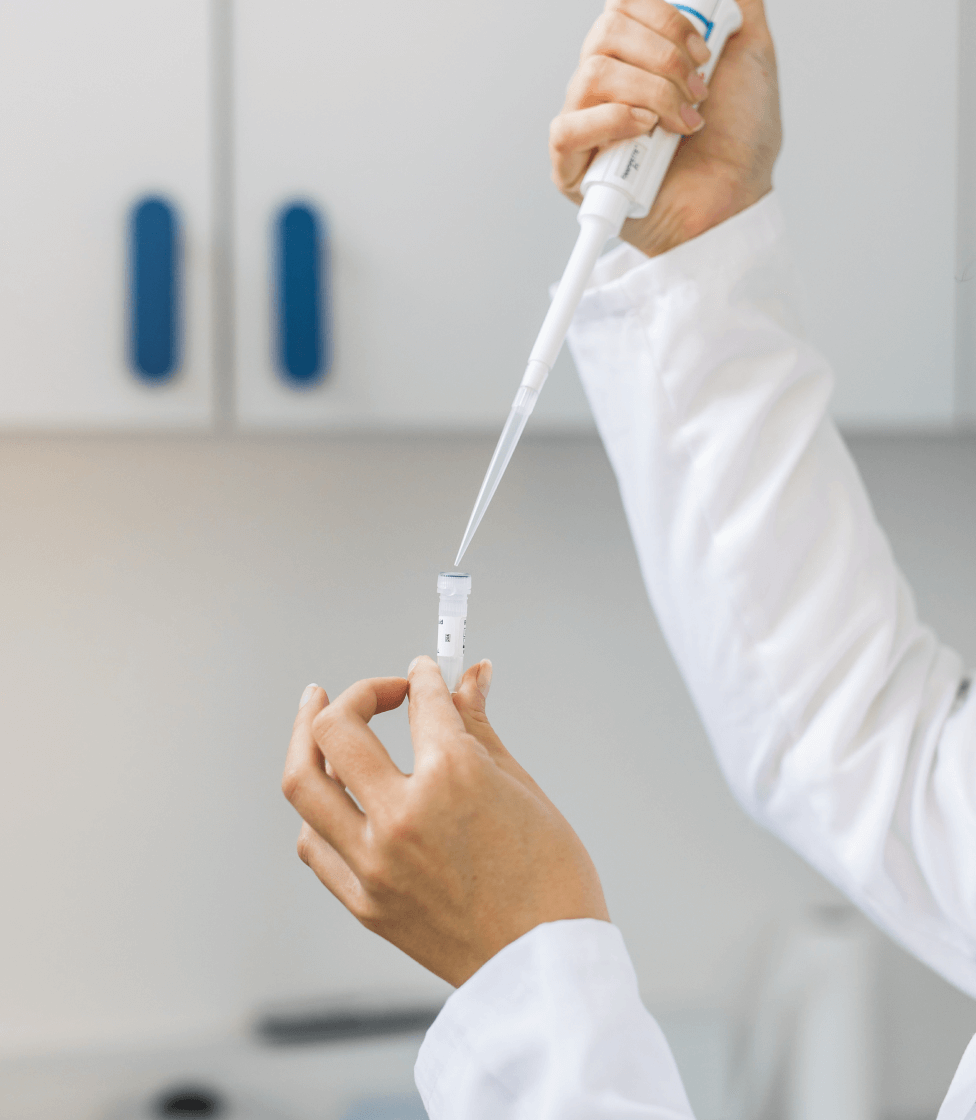
Testing procedure
How is the cosmetics challenge test performed?
We perform preservative efficacy testing according to internationally recognised standards, including:
- ISO 11930
- USP 51
The test is based on the monitoring of the presence of various pathogens in the cosmetic product when it is produced, followed by the intentional inoculation of a cosmetic product with five different strains of microorganisms:
- Staphylococcus aureus (gram-positive bacterium)
- Pseudomonas aeruginosa (gram-negative bacterium)
- Candida albicans (fungus)
- Escherichia coli (gram-negative bacterium)
- Aspergillus brasiliensis (fungus)
The remaining concentration of these microorganisms is then determined after 7, 14 and 28 days. The product is considered to pass the preservative efficacy test if the concentrations of the fungi do not increase over the testing period and if the concentrations of the bacteria are reduced sufficiently by day 14 and do not increase from that time until the end of the test.
Recommendations
When is a challenge test recommended?
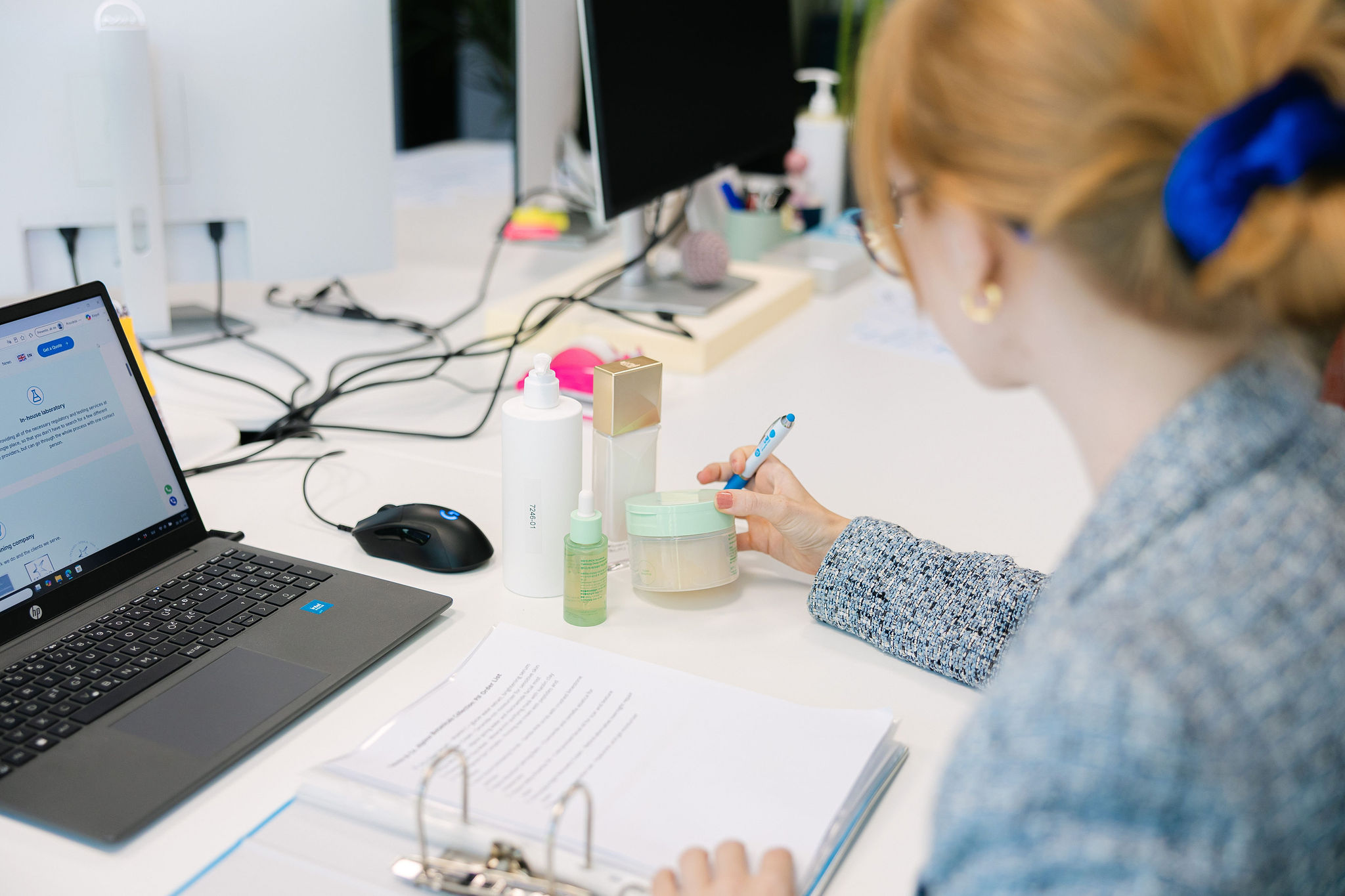
Recommendations
When is a challenge test recommended?
- New product development
- Reformulation
- Change of preservative system
- Packaging changes
- Shelf-life extension
- Change of manufacturing process
Exemptions
When is a cosmetics challenge test not needed?
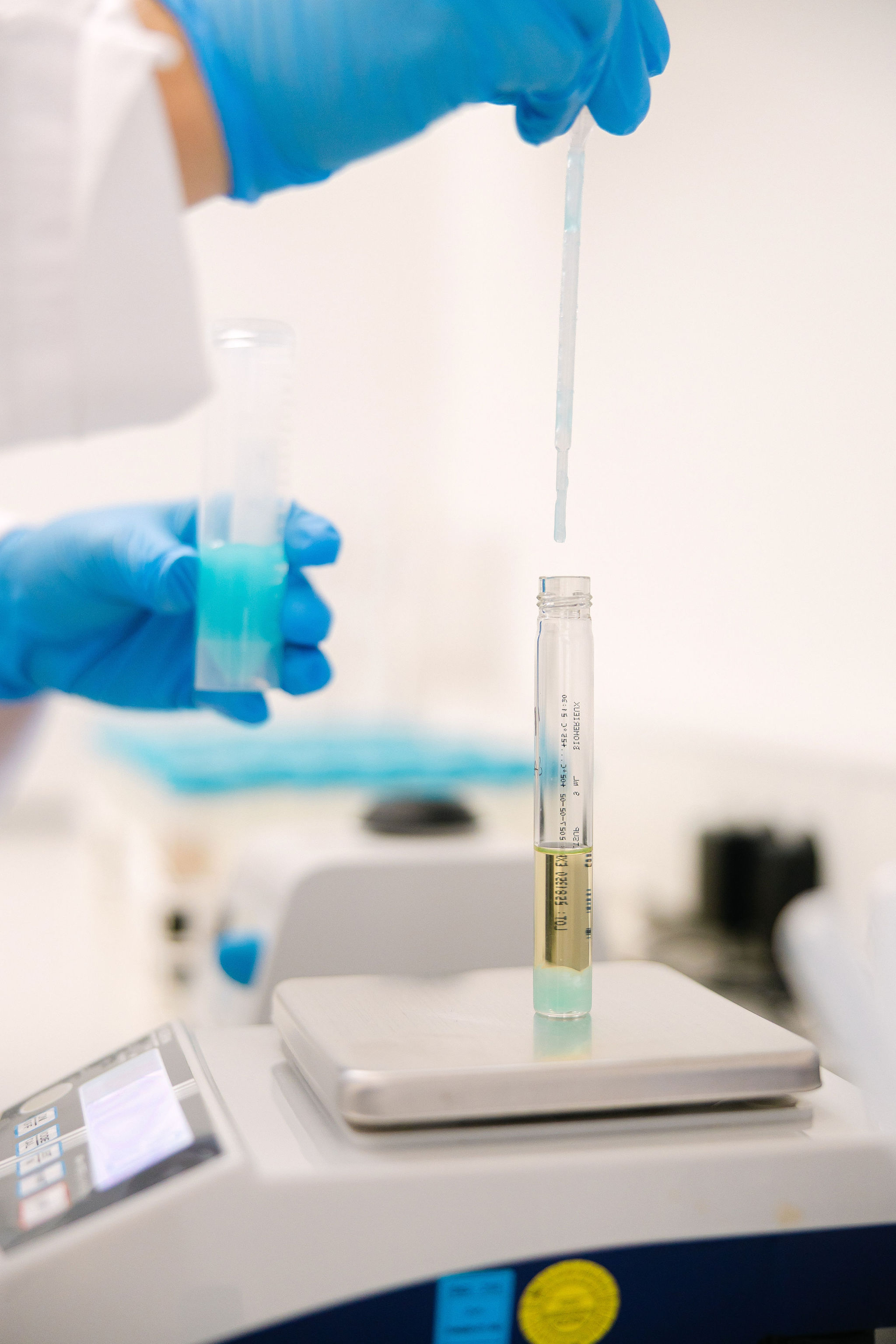
Exemptions
When is a cosmetics challenge test not needed?
A cosmetics challenge test is not required for certain types of cosmetic products. Microbiologically low-risk products can be exempt from the preservative efficacy test, because, due to the product characteristics, the likelihood of microbiological contamination for such products is very low or even non-existent. The product characteristics that define products as microbiologically low-risk products are described in ISO 29621:2017 and can be divided into characteristics due to the composition of the product, characteristics that are a consequence of the production conditions, packaging or combined factors.
These characteristics are as follows:
- Water activity of formulation: products that do not contain water
- The pH of the formulation: highly acidic (pH below 3) or highly alkaline (pH above 10) products
- Alcohol content: products with more than 20% alcohol concentration
- Formulation with raw materials that can create a hostile environment: such as strong oxidizing agents, polar organic solvents, oxidizing dyes, aluminium chlorohydrate and related salts or propellant gases
- Production conditions: if containers are filled at more than 65 degrees Celsius
- Packaging types: product packaged in pressurized containers, pump dispensers or single-dose units
- A combination of the above-mentioned factors
Any lack of challenge test, however, must be duly justified.
Cosmetics challenge test
FAQ
A cosmetics challenge test, also known as a Preservative Efficacy Test (PET), is a mandatory assessment used to evaluate how effective a cosmetic product's preservative system is. It determines whether the product can resist microbial contamination during manufacturing, storage, and consumer use. This test is a key part of the Product Information File (PIF) and must be referenced in the Cosmetic Product Safety Report (CPSR) to ensure full regulatory compliance.
A challenge test is required to ensure that a cosmetic product remains safe throughout its shelf life. During normal use, products are exposed to bacteria, fungi, and other microorganisms from the environment and direct contact with the human body. The test verifies that the preservative system is strong enough to prevent microbial growth and protect both product quality and consumer health.
Cosmetics challenge testing is performed according to internationally recognized standards such as ISO 11930:2019 and USP <51> (United States Pharmacopeia). These standards define the testing procedures, microbial strains, and acceptance criteria to ensure consistent and reliable results across the cosmetics industry.
During a cosmetics challenge test, the product is intentionally contaminated with specific microorganisms under controlled laboratory conditions. The product is then monitored over time to assess how effectively the preservative system reduces or inhibits microbial growth. The test simulates real-life contamination scenarios to evaluate product safety and stability.
The standard challenge test typically includes five representative microorganisms that cover a broad spectrum of contamination risks:
- Staphylococcus aureus (gram-positive bacterium)
- Pseudomonas aeruginosa (gram-negative bacterium)
- Escherichia coli (gram-negative bacterium)
- Candida albicans (yeast/fungus)
- Aspergillus brasiliensis (mold/fungus)
These microorganisms are selected because they represent common contaminants that can affect cosmetic product safety.
The effectiveness of the preservative system is evaluated by measuring the reduction of microorganisms over time, typically after 7, 14, and 28 days. For a product to pass, bacterial counts must be significantly reduced by day 14 and remain low, while fungal counts must not increase throughout the testing period. These criteria ensure that the product remains safe during use.
A challenge test may not be required for microbiologically low-risk products, as defined by ISO 29621:2017. These include products that:
- do not contain water
- have extreme pH levels (below 3 or above 10)
- contain more than 20% alcohol
- include ingredients that create a hostile environment for microorganisms
- are produced under high-temperature conditions
- are packaged in airless pumps, pressurized containers, or single-dose units
However, any exemption must be clearly justified and documented.
Packaging plays an important role in reducing the risk of contamination. Products in airless dispensers, pump bottles, or sealed units are less exposed to microorganisms, which may reduce the need for a full challenge test. However, even with protective packaging, a proper risk assessment is required to ensure compliance.
If a product fails the challenge test, it indicates that the preservative system is not effective enough. In this case, the formulation must be adjusted — typically by modifying or strengthening the preservative system — and the test must be repeated. Only products that pass can be considered safe for market placement.
The challenge test is a critical component of cosmetic product safety assessment and is required for inclusion in the PIF and CPSR. It demonstrates that the product meets microbiological safety standards and complies with EU Cosmetics Regulation 1223/2009. Without it, most cosmetic products cannot be legally placed on the market.
Timeline
Testing timelines
01
Day 0
The product is inoculated with the challenge microorganisms, and the initial concentration is determined to establish the starting level.
02
Day 7
The surviving microorganisms are enumerated and compared with the Day 0 count to determine the log reduction.
03
Day 14
Enumeration is repeated and the reduction is calculated.
04
Day 28
Final enumeration is performed, and the preservative system is assessed against the standard acceptance criteria.
Related services
Related services
CE.way can offer various services related to cosmetics challenge testing. We can offer:
Client reviews
Trusted by 1000+ cosmetic brands worldwide.
Pulled from verified Google reviews — independent, unedited, and updated continuously.
"We were looking for a stand-alone service, not too sure what to expect... The professionalism, the assistance and the responsiveness were very much appreciated, amongst the best we have ever experienced."
"We are a small manufacturing company located in the US. We recently used CE.way Regulatory Consultants to help guide us through the Cosmetic regulatory changes that have taken place in the EU. They were instrumental in helping us understand the new laws and streamline the entire process. I would highly recommend their services."
1 / 5
Get started
Ready to validate your cosmetic product's preservative system?
Speak with our regulatory experts about challenge testing, preservative efficacy evaluation, and EU market compliance requirements.

