Efficacy testing: hair density increase, volumising effect
General hair testing protocol
Number of subjects
20 (determined by client)
Place of application
Scalp / Hair
Testing time
4 weeks (determined by client)
Sample requirement
Equal to the number of subjects
Measurement points
- T0 – before application
- Tx – after x weeks (determined by client)
Procedure
- First measurement on the testing site (“BEFORE testing”)
- Product used by participants at home during the testing period
- Repeated last measurement on the testing site (“AFTER testing”)
Signs of hair damage.
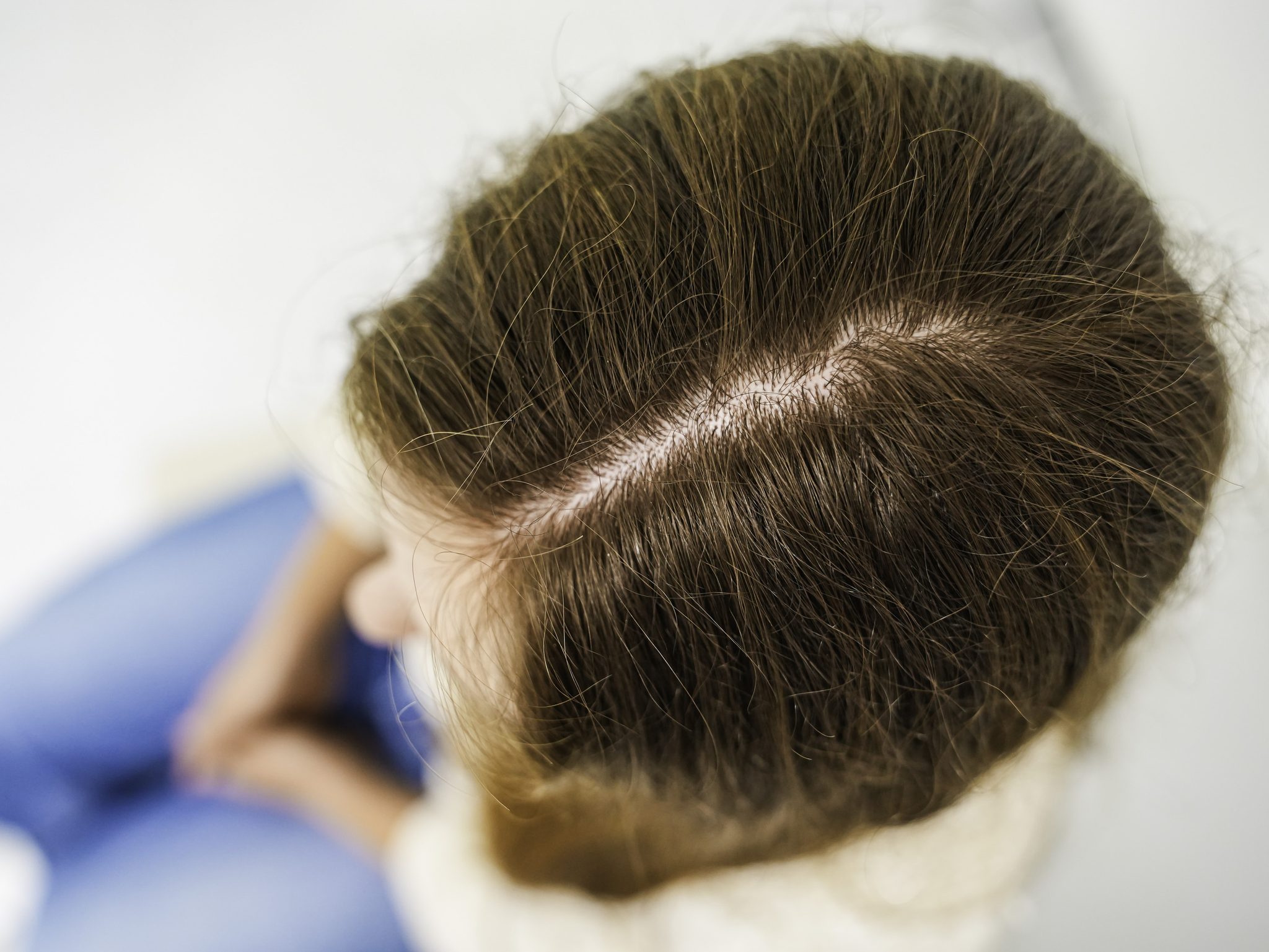
Signs of hair damage.
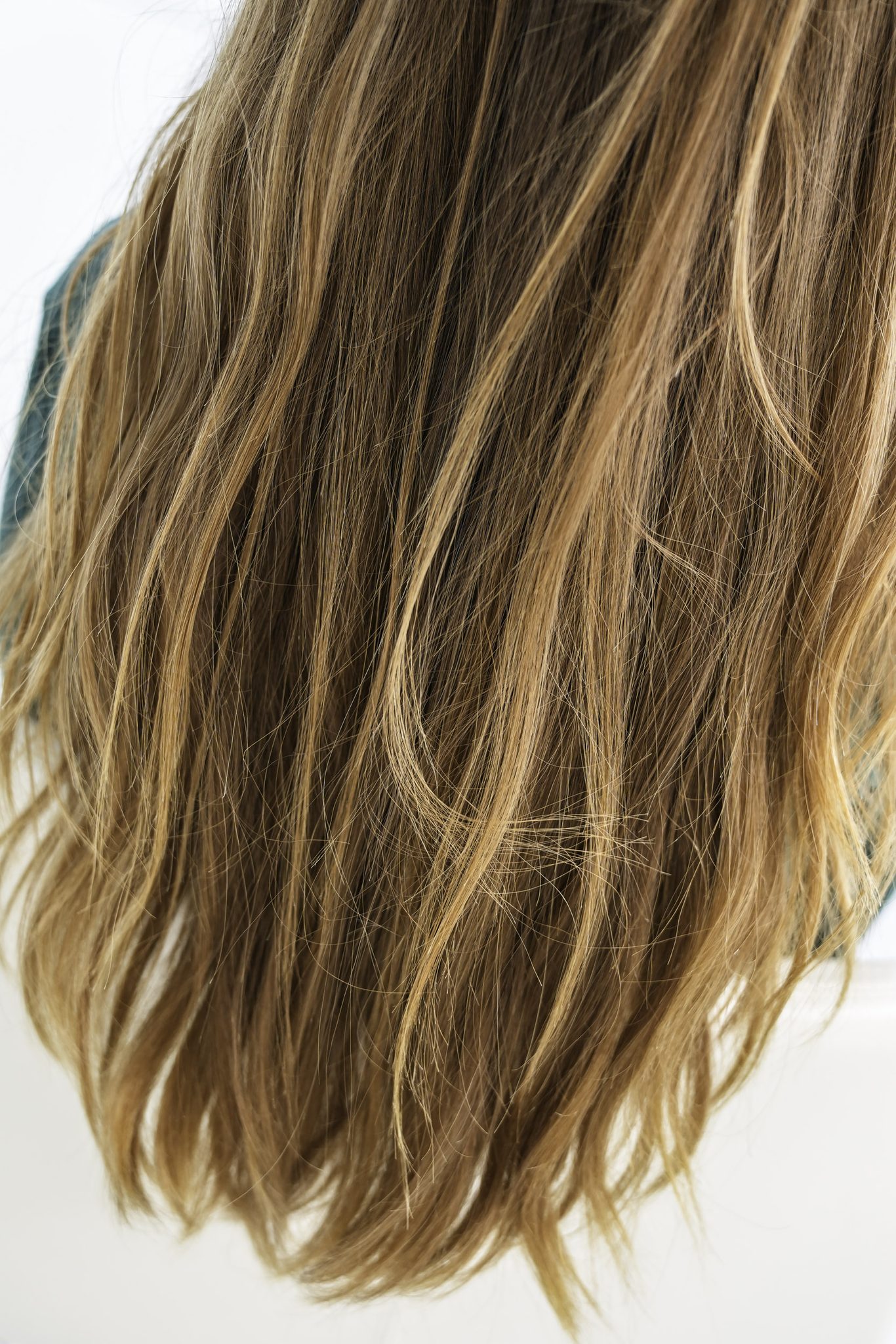
If the cuticle is intact, the hair looks soft, smooth and shiny as the light reflects from the hair surface. On the other hand, if the cuticle is damaged, it loses its uniformity, and the cells don't overlap as they should. This makes the hair lose its sheen and it becomes susceptible to splitting.
Claims related to hair care
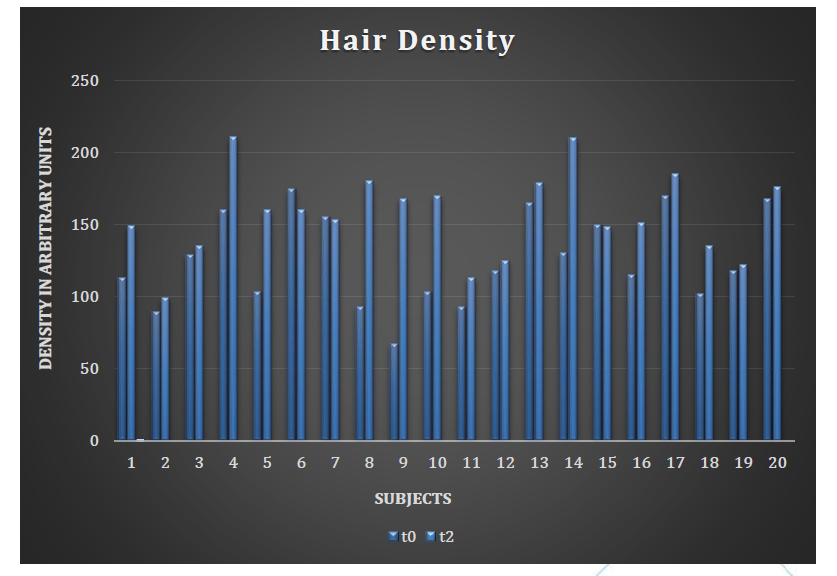
- Hair density increase
- Volumizing effect
- Anti-hair loss
Measurement principles and instruments.
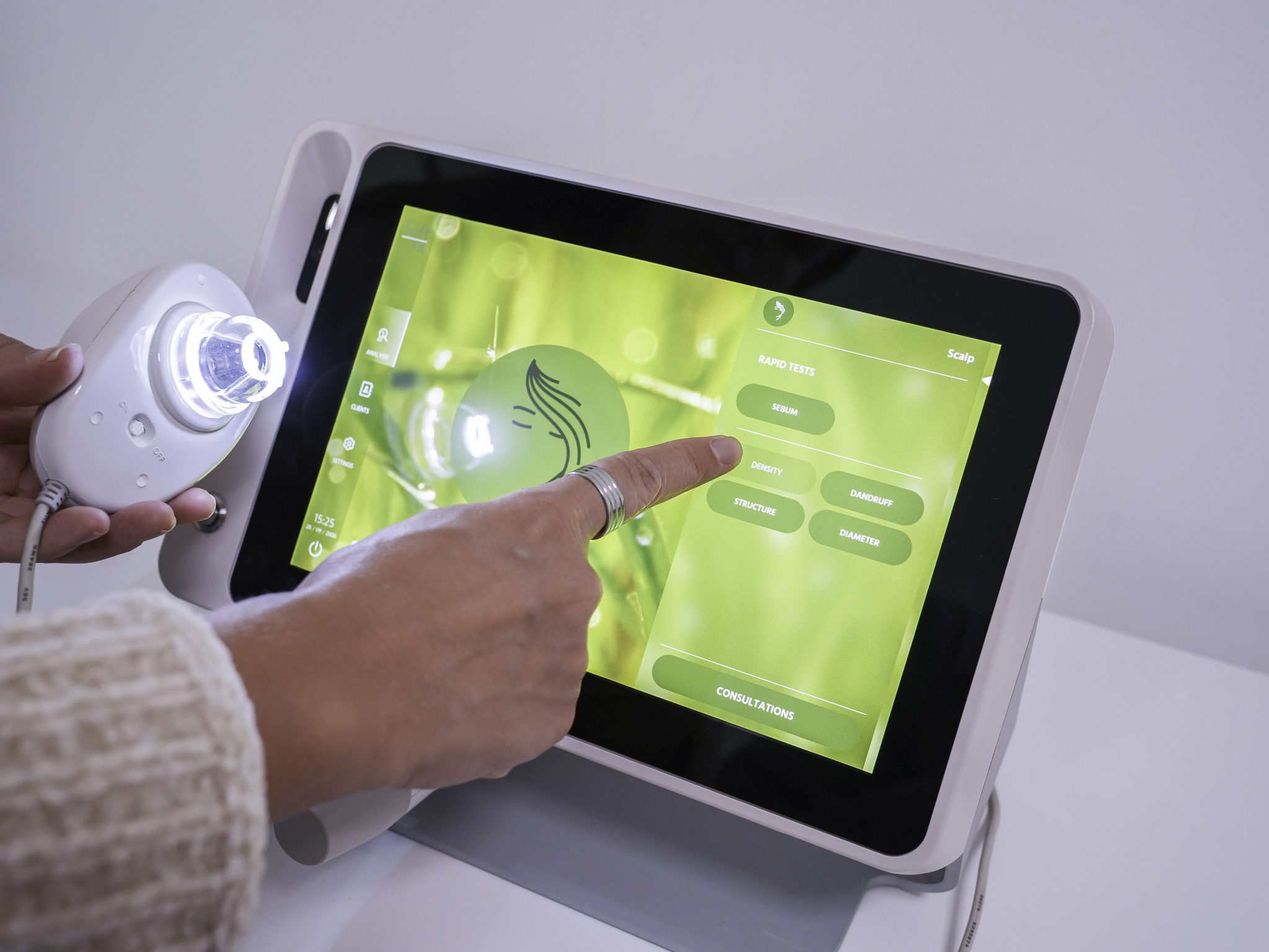
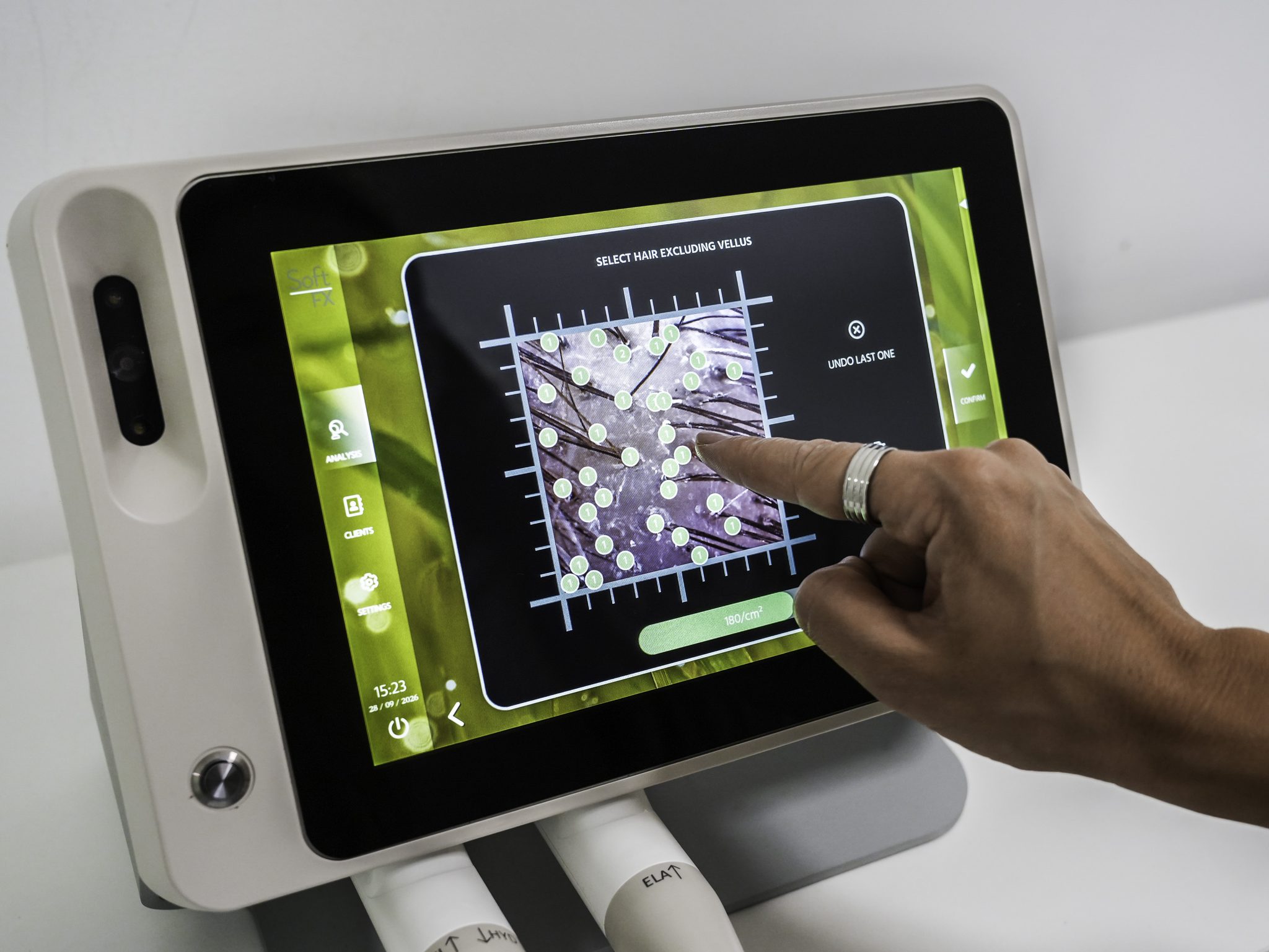
Measurement principles and instruments.
To prove hair related claims, we measure the following parameters using the following instruments:
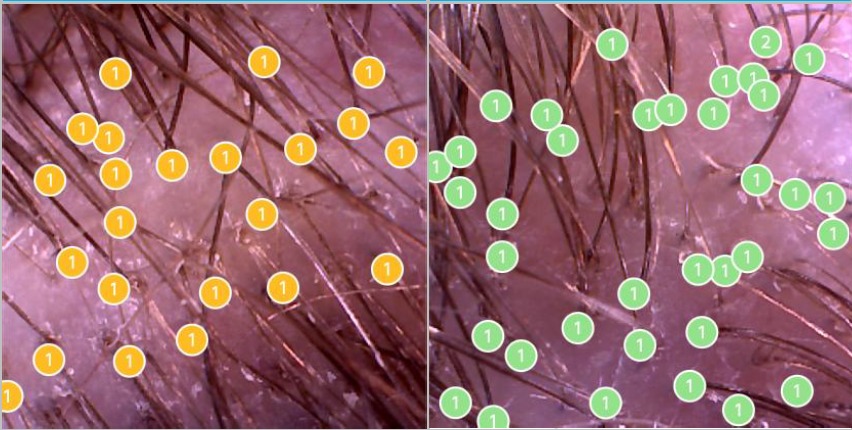
Evaluation of hair density increase with microcamera
- Soft FX (Callegari, 1930)
See our results
Microcamera Soft FX (Callegari, 1930)
Hair structure
Hair structure
The elongated part of the hair that extends above the surface of the skin is called the hair shaft. It grows from an elongated tube-like structure in the skin called thehair follicle.
A hair follicle is lined by epithelial cells and is often associated with one or moresebaceous glands, which secrete sebum into the follicle, and an arrector pili muscle, whose contraction can cause the hair to stand upright. At the base of the follicle is the dermal papilla, a connective tissue structure containing blood vessels and signaling cells that help nourish and regulate the growing hair follicle.
The main structural component of hair is the protein keratin. The hair shaft consists of many thin keratin fibres arranged into thicker bundles. It is generally made up of three layers. The innermost region is the medulla, which may be absent or discontinuous along the length of the hair. Its presence can influence some optical properties of hair, although hair colour is mainly determined by melanin in the cortex. The middle and largest layer is the cortex, which provides much of the hair's strength, elasticity, and colour. It is composed of keratinized cells that were formed in the hair bulb and became hardened and dead as they moved upward during hair growth. The outermost layer is the cuticle, a thin protective layer that surrounds the hair shaft and helps protect the cortex. The cuticle surface is covered by a hydrophobic lipid layer that includes 18-methyleicosanoic acid (18-MEA).
Hair fibres can be characterized by colour, shaft shape, such as curly, straight, or wavy, and microscopic features. Keratin microfibrils in the cortex contribute to the mechanical properties of hair, while optical and surface properties are strongly influenced by the cuticle, particularly the condition of the 18-MEA-containing surface layer.
A protocol built for your claims.
Efficacy testing protocol is prepared for each product individually with close cooperation with the sponsor. Based on the claims, usage regime and efficacy expectations, we prepare a protocol that is suitable for the type of product and can confirm product efficacy. The studies can be performed over a different time period (from a few days to several weeks or months) depending on the claim and type of measurement.
Ready to substantiate your hair care claims?
Speak with our testing experts about an efficacy study tailored to your product's claims, usage regime and timeline.
